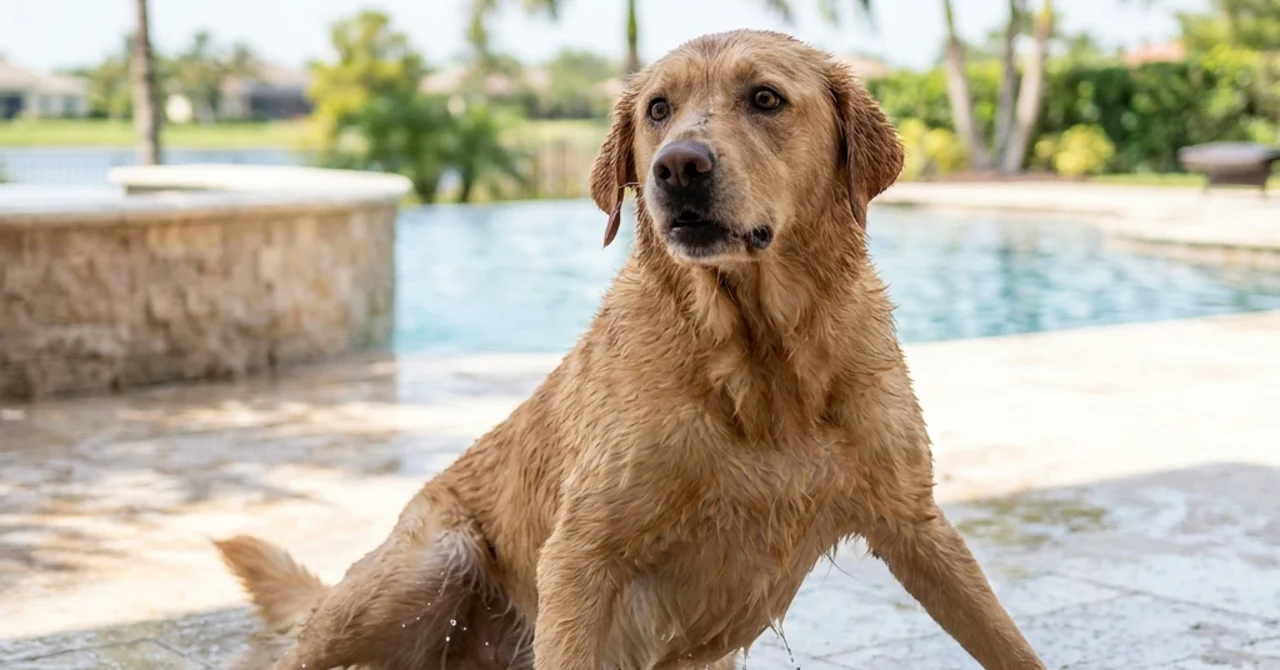
Fall Prevention for Aging Parents and Grandparents
A broken hip or serious injury from a fall can drastically change a life. We engineer safety into your surfaces, protecting not just your property, but the people who enjoy it.
The Risk
Falls Are the Leading Cause of Injury for Older Adults
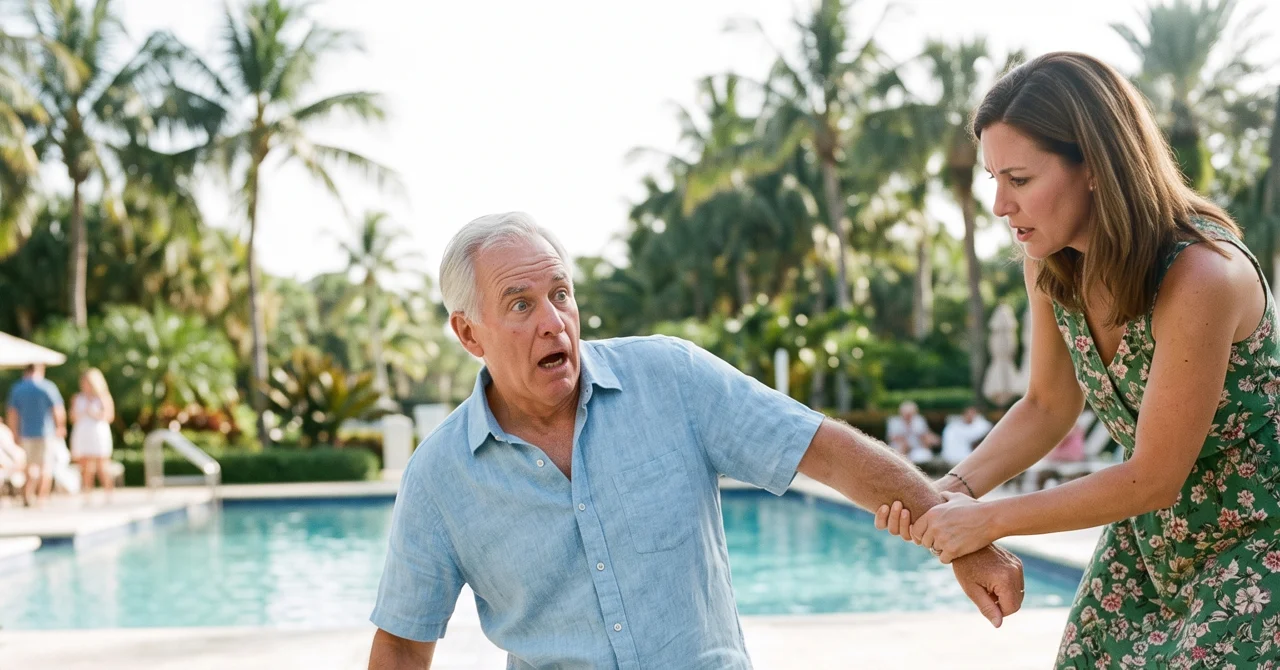
More than 14 million older adults fall each year, and less than half ever mention it to a doctor. Over 95% of hip fractures in this age group are caused by falls — most of them sideways falls, which is exactly the direction a foot goes when it slides out on a wet, slick surface.
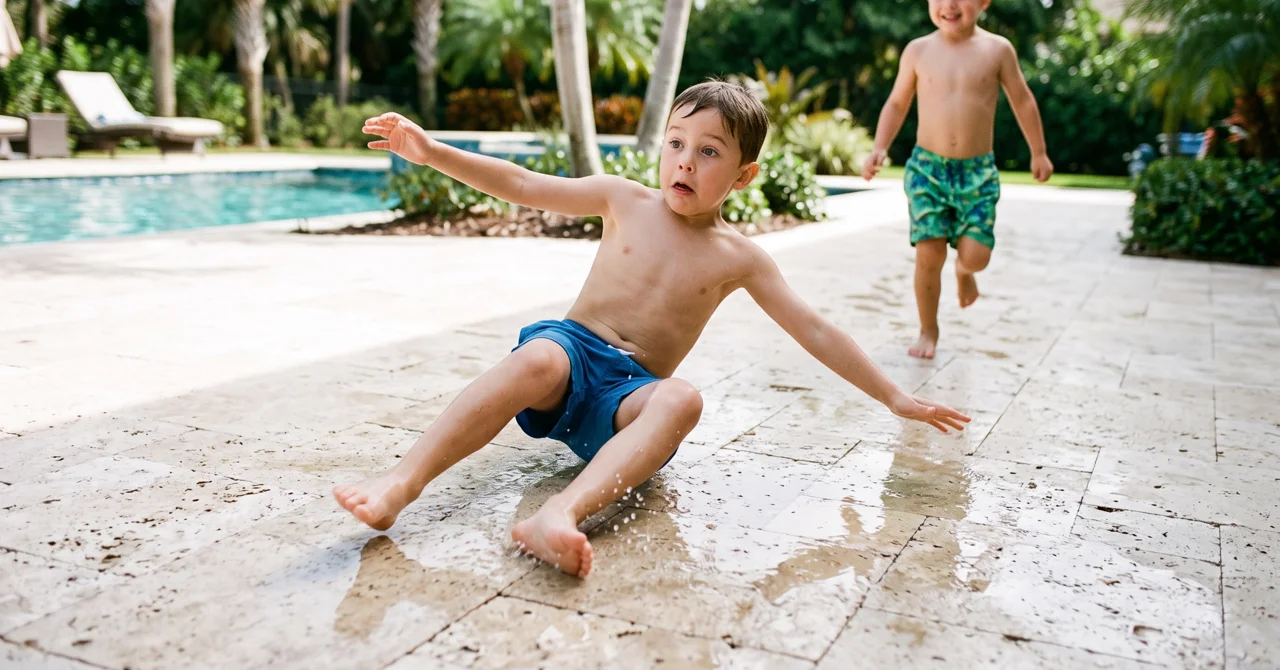
A wet pool deck, entryway, or walkway is one of the most common places it happens — often on a surface someone has walked across safely for years, right up until the one time it's wet and their balance doesn't quite catch up.
The Cost
What a Hip Fracture Actually Costs
Hospitalization for a fall-related hip fracture averages $35,000 to $40,000 — and that's the medical bill alone, before rehabilitation, home care, or the loss of independence that often follows. Across the country, fall injuries in older adults cost the healthcare system roughly $80 billion a year.
The dollar figure is the easy part to measure. The harder part is that a broken hip at 70 doesn't just heal like it would at 30 — it's frequently the injury that changes how, or whether, someone can keep living independently.
Is it worth it? One hospitalization costs more than every non-slip treatment this company has ever installed, combined, for a single client. That's the comparison worth sitting with.
The Engineering
How SIGNATRAC Helps
Slip resistance is measured, not guessed. The industry standard is called DCOF — dynamic coefficient of friction — a number that tells you how much grip a surface holds when it's wet. The lower the number, the easier it is for a foot to slide out from under someone.
Building codes set a minimum wet-grip requirement for pool decks, coping and ramps — and most sealed stone sits well under it once it's wet. SIGNATRAC engineers traction into the stone itself rather than laying a topical film over it, and every job is calibrated on site for that surface and that household — kids, dogs, older parents, guests.
- Engineered non-slip traction, wet or dry — no dependence on shoes with grip.
- No trip-hazard mats, strips, or curb transitions to catch a foot.
- A one-time treatment engineered into the surface, not a coating that wears thin over time.